
AcuArticles
Articles on Teishin, Gua Sha, Acupuncture and Natural Health
Welcome to the AcuArtistry article library; a collection of reflections and clinical insights for the dedicated practitioner. My goal is to provide a deeper exploration into the tools and techniques that define our medicine, from the ancient origins of the Teishin to the modern clinical applications of Gua Sha and Shonishin.
Whether you are a seasoned acupuncturist looking to refine your tactile sensitivity or a student of natural health seeking grounded, traditional perspectives, you will find resources here designed to support your practice.
-
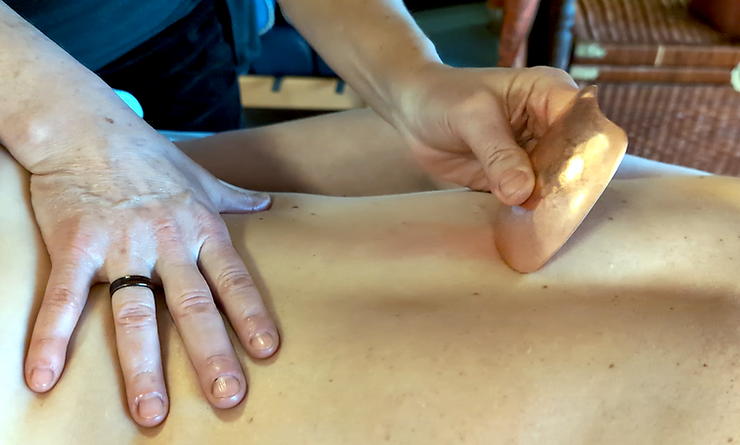
The Science of Gua Sha: Understanding Its Biomedical Mechanisms
Science of Gua Sha For those of us using gua sha in clinical practice, its effectiveness in relieving pain, improving circulation, and restoring mobility is well established. However, understanding why it works can refine our techniques and enhance treatment outcomes. Modern research is shedding light on the physiological mechanisms behind gua sha’s effects, bridging traditional practice…
-
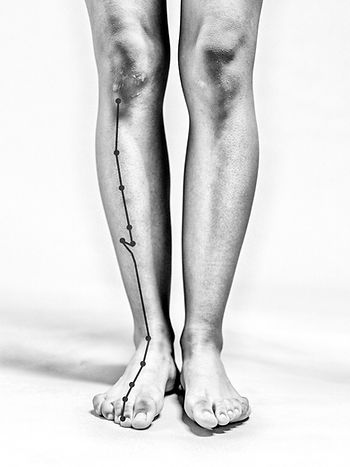
Teishin Self Treatment Guide
Teishin Treatment for the Stomach Qi Line This guide offers a simple, meditative self-treatment using Japanese Meridian Therapy principles and a teishin to harmonize the Stomach Qi line on your leg. This approach focuses on gentle touch and mindful awareness of the meridian’s flow, rather than focusing on specific acupuncture points. What is the Stomach…
-
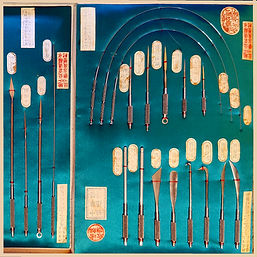
Nine Needles of the Ling Shu: The Essence of Acupuncture
I. Origin of the Nine Needles The Ling Shu (灵枢), one of the two major texts of the Huangdi Neijing (黄帝内经, Yellow Emperor’s Inner Classic), holds a pivotal place in classical Chinese medicine. While the Su Wen (素问), the first book of the Neijing, provides a theoretical foundation encompassing the principles of yin (阴) and yang (阳), the…
-

Ergonomics for Acupuncturists
Introduction As acupuncturists, our health, comfort, and longevity in this profession should be a top priority. The more we nurture ourselves, the more we can give to our patients. Creating an ergonomic work environment isn’t just about avoiding discomfort; it’s about sustaining our well-being and ensuring we can deliver the highest quality care throughout our…
-
Qi is Not a Thing in TCM!
The word “Qi” (氣) is everywhere in discussions of wellness, spirituality, and traditional Chinese medicine. But what if the way we commonly think about Qi is fundamentally wrong? What if Qi is not a thing? We often hear Qi described as a mystical energy, a vital life force flowing through our bodies… but that’s not…
-
The Science of Teishin Acupuncture: A Needle-Free Approach to Healing
In recent years, Teishin based acupuncture has been gaining popularity as a more gentle and needle-free alternative to traditional acupuncture. In reality, the teishin was a primary tool of the acupuncturist in the earliest days of TEAM (Traditional East Asian Medicine). It was first introduced as the third of the nine needles in the Ling…
-
Eco-Friendly Acupuncture: 9 Steps to a Sustainable Practice
As an acupuncturist, I am deeply committed to the well-being of my patients and the planet. Acupuncture is a powerful healing modality, and I am grateful to be able to help people live healthier, happier lives. However, I am also aware of the environmental impact of my practice and acupuncture clinics in general. From disposable…
-
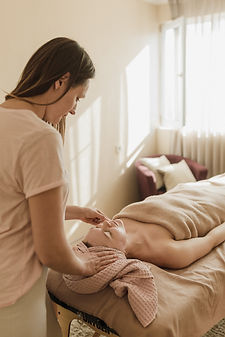
Gua Sha vs. Facial Gua Sha: Understanding the Differences
It is easy to confuse traditional gua sha done as a medical procedure with facial gua sha used for beautification. This is mainly a problem when reading articles online that do not differentiate between the two. Traditional gua sha is an ancient Chinese healing technique that has been used for centuries to treat muscular issues…
-
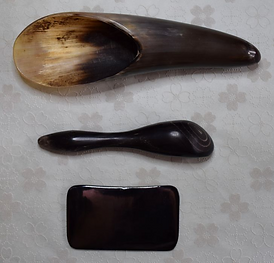
The History of Gua Sha: Ancient Origins to Modern Medicine
Tracing the Ancient Origins of Gua Sha Gua sha is a traditional East Asian medical treatment that has been used for centuries to relieve pain, improve circulation, and boost immune function. It involves the use of a smooth-edged tool, such as a coin or jade stone, to apply firm pressure and scrape the skin. The…
-
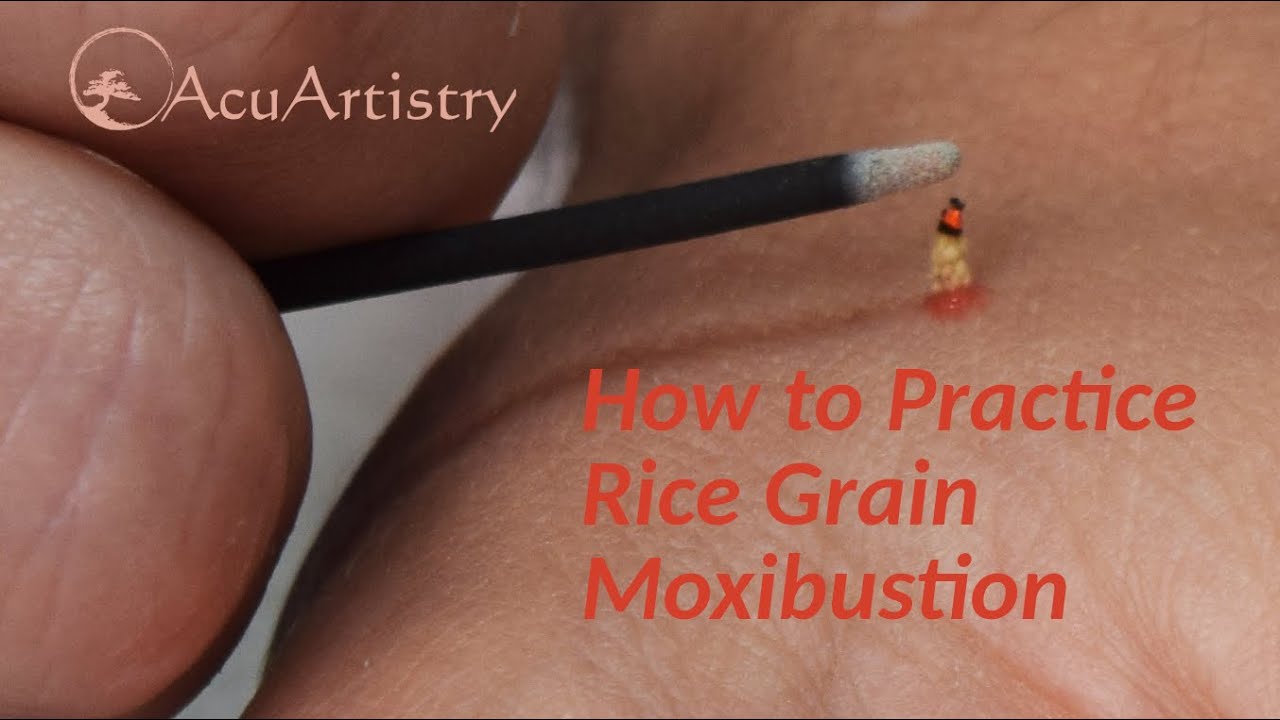
Basic Direct Moxibustion Technique; Okyu
Moxibustion is an ancient Chinese medical technique that involves the burning of mugwort, a type of herb, to facilitate healing. This traditional method has been used for thousands of years to treat a wide range of conditions and is an effective technique for restoring balance to the body. In this tutorial, we will introduce the…
-
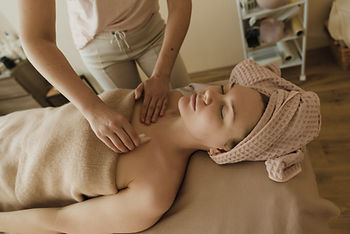
Gua Sha: An Essential Diagnostic Tool for Acupuncturists
Gua sha is an East Asian medicine technique that involves scraping the skin with a smooth-edged tool to improve circulation, relieve muscle tension, and treat internal diseases. In addition to its therapeutic benefits, gua sha can also be used as a diagnostic tool to identify the underlying cause of a patient’s symptoms. By observing the…
-
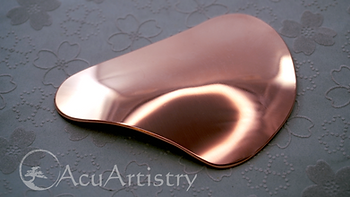
AcuArtistry Tool Care Guide: Gua Sha, Teishin, and IASTM
Copper, silver, and gold are resilient and corrosion-resistant metals. With proper care, your AcuArtistry gua sha tool, teishin, or IASTM tool will last several lifetimes. There are two main cleaning methods, one for home use, when the tool is used only for self-care, and one for a clinical setting where cross-contamination is a concern. For…
-
Copper Gua Sha; An Antimicrobial Therapeutic Tool
Guest writer: Tatiana Parzynski, N.D. Physical medicine has always been a part of my medical practice and when I want to increase fascial glide or mobilize soft tissue I always reach for my copper gua sha tool. I learned about gua sha early on in my medical training and started using AcuArtisty’s copper gua sha…
-
Teishin – A Brief History
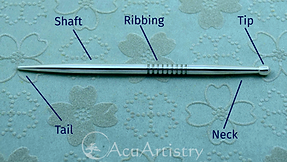
The teishin is a gentle and effective tool for treating patients without inserting acupuncture needles. It is popular in Meridian Therapy and other styles of Traditional Japanese Medicine. Using a teishin causes no pain or discomfort, allowing practitioners to treat even the most sensitive of people. With guidance, patients can learn to use teishin at…
-
Shiunko Recipe for Skincare
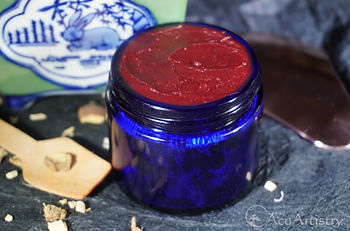
Shiunko or Purple Cloud Ointment, was developed in Japan during the Edo Period (1603-1868) for the treatment of skin disorders. In Kanpo (Japanese herbal medicine), shiunko is still a popular skincare remedy. It is used topically for eczema, psoriasis, fungal infections, scars, chapped skin, burns, frostbite, bedsores, skin ulcers, hemorrhoids, and much more. Shiunko should…
-
The Energetic Properties of Metals in the Healing Arts
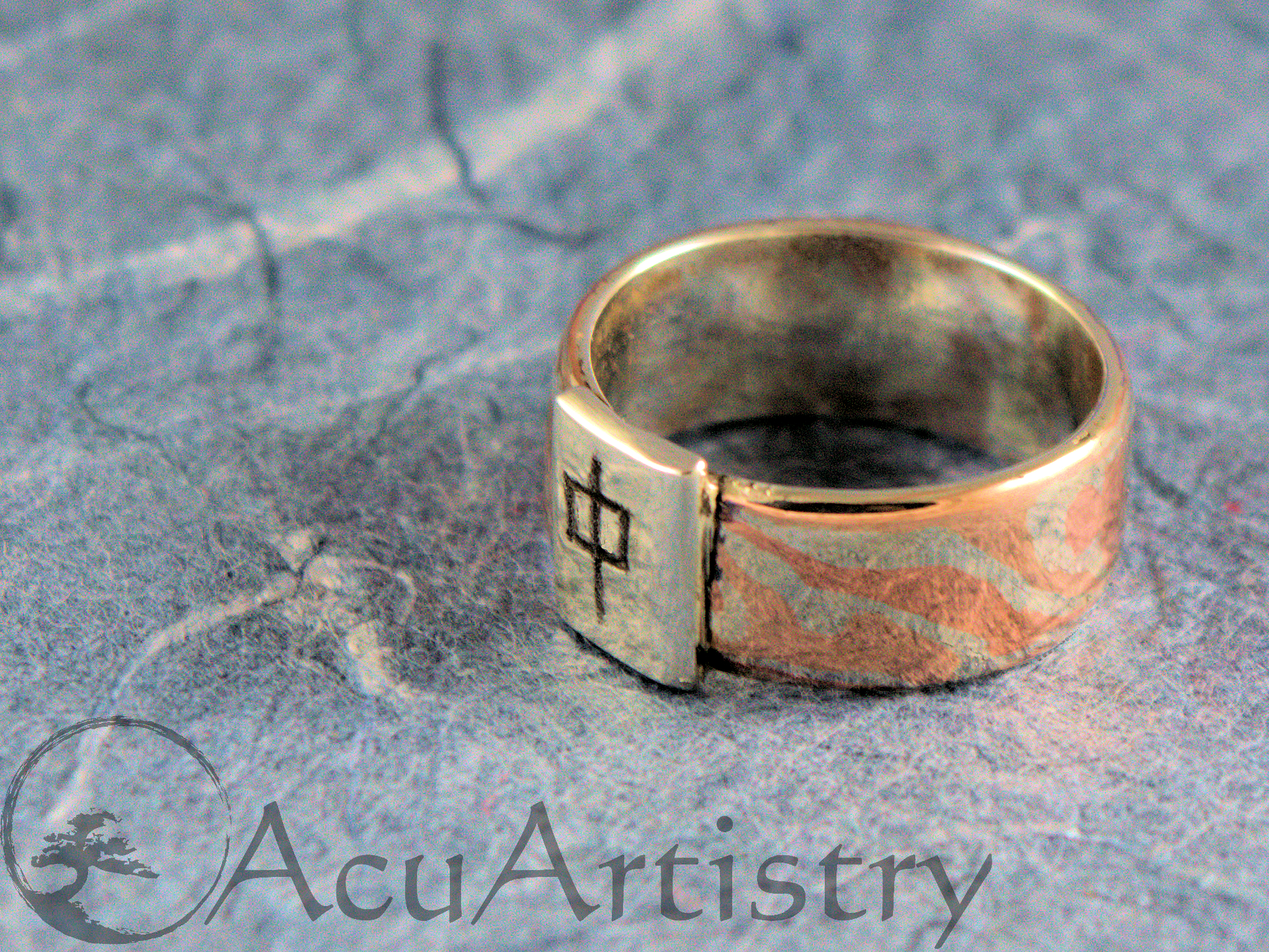
Metals have long been used in the healing arts for their unique properties and energetic qualities. In Japan, the type of metal used in teishin-based acupuncture techniques, such as shonishin, Tyohari School, or Funamizu Style treatments, is often a primary consideration. The best metal used for a facial gua sha tool can be determined by…